


TL;DR: U.S. data center power demand could reach 106 GW by 2035, but infrastructure constraints and community opposition have already blocked $64 billion in projects. This volatility affects workforce planning for electrical line technicians and heavy equipment operators because rapid projection changes make it difficult to build sustainable career pipelines.
Core Impact on Trades:
-
Data center expansion creates demand for electrical line technicians and heavy equipment operators to build grid infrastructure
-
Between May 2024 and March 2025, $64 billion in data center projects were blocked or delayed due to infrastructure constraints
-
Power demand projections increased 36% in seven months, making workforce pipeline planning unreliable
-
Transferable foundational skills in electrical work and heavy equipment operation remain stable across economic cycles
Why Data Center Infrastructure Expansion Matters
We’ve watched this pattern play out for nearly three decades in vocational training. Someone promises transformation. The infrastructure can’t support the volume. And the projections don’t match what actually gets built.
The data center expansion happening right now follows the same pattern.
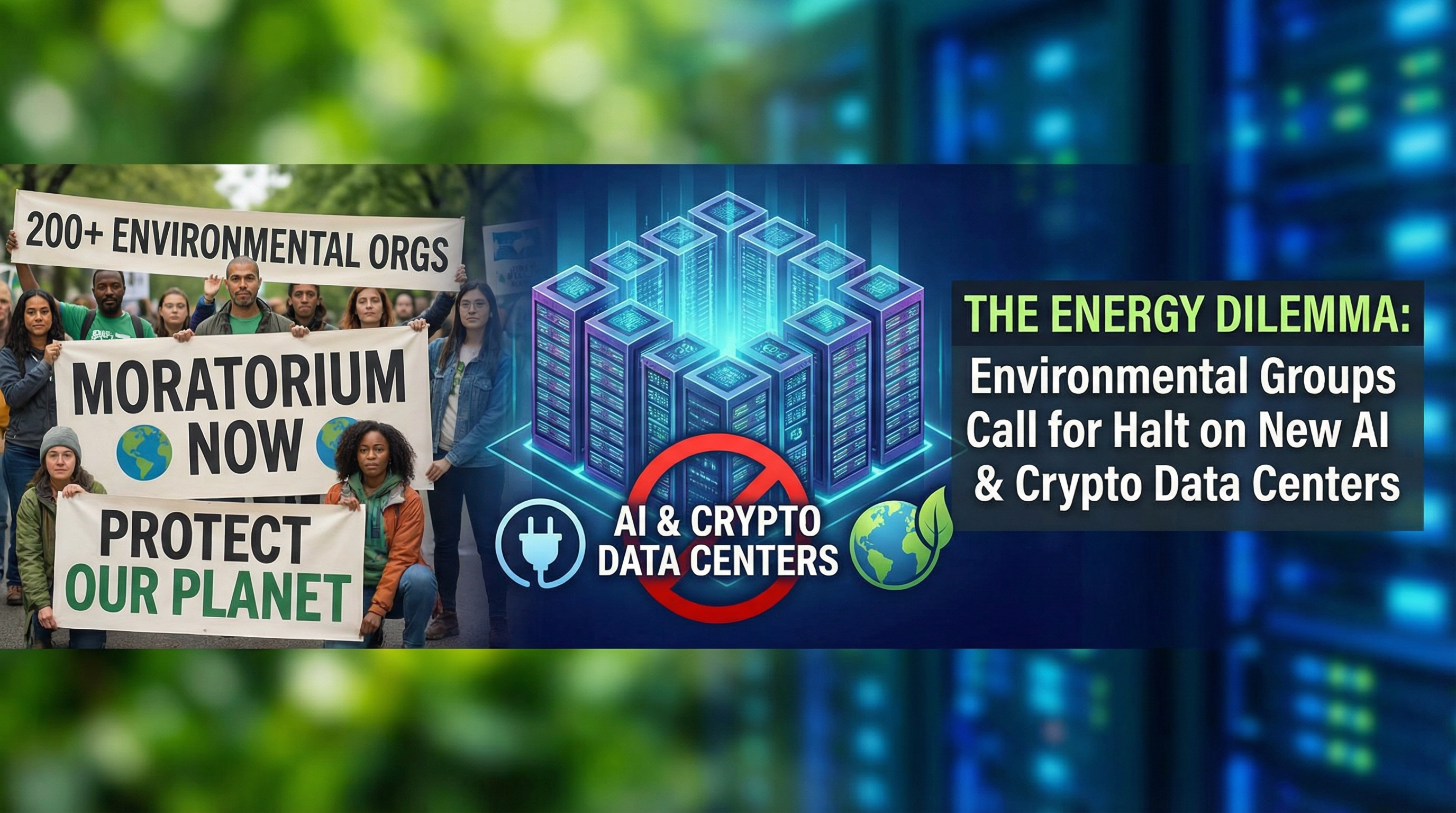
More than 200 environmental organizations called for a national moratorium on new AI and crypto data centers. This isn’t just about climate impact. It’s about what happens when infrastructure demand outpaces the grid’s capacity to deliver and communities push back against the expansion.
What Are the Projected Power Demands for Data Centers?
U.S. data center power demand could reach 106 GW by 2035. That projection increased 36% in just seven months.
When forecasts shift that dramatically, preparation systems can’t keep pace. You can’t build sustainable workforce pipelines when the target keeps moving.
How Rising Electricity Costs Drive Project Opposition
Virginia households could see electricity bills increase $14 to $37 monthly by 2040 because of data center expansion.
In the PJM electricity market (stretching from Illinois to North Carolina), data centers drove an estimated $9.3 billion price increase in the 2025-26 capacity market.
Rising utility costs create local opposition. Between May 2024 and March 2025, that opposition blocked or delayed $64 billion in data center projects.
The Reality: Rapid expansion plans meet infrastructure constraints and community resistance, creating project volatility.
What Are the Water Infrastructure Constraints?
Water consumption creates additional infrastructure barriers for data center expansion.
Newton County, Georgia Example
A single Meta data center uses 500,000 gallons of water daily. That’s 10% of the entire county’s water consumption.
The county keeps receiving permit requests for up to 6 million gallons per day. That’s more than double what the entire county currently consumes.
Phoenix, Arizona Water Stress
Phoenix has 58 data centers. If each one uses 3 million gallons daily for cooling, that equals 170 million gallons of drinking water per day in a region already experiencing water stress.
Towns compete to attract data centers for the tax benefits. However, the infrastructure demands (water consumption, electrical capacity, backup power systems) create regional challenges that slow or stop projects from moving forward.
Key Constraint: Water availability limits data center expansion in many regions, contributing to the $64 billion in blocked or delayed projects.
Why Rapid Industry Growth Creates Workforce Volatility
Business investment in AI might have accounted for as much as half of GDP growth in the first six months of this year. The entire U.S. economy may be hitched to this sector.
Here’s what we’ve learned from nearly three decades in workforce development: when an industry grows this fast on projections rather than proven demand, volatility follows.
The consequences:
-
Projects get cancelled
-
Hiring freezes happen
-
Career pathways that looked stable suddenly aren’t
What This Means: Training people for a single volatile sector creates risk when projections shift 36% in seven months.
How Does Data Center Expansion Affect Electrical Line Technicians?
When data centers need 106 GW of power by 2035, someone has to build and maintain that electrical infrastructure.
Electrical line technicians install the transmission lines, transformers, and substations that deliver power to these facilities. Heavy equipment operators prepare the sites, dig the trenches, and support the construction.
The demand is real. But so is the pattern we’ve watched for nearly three decades.
The Volatility Risk for Electrical Trades
If data center expansion continues at the projected pace, there will be substantial work for electrical line technicians maintaining an increasingly stressed grid.
However, if projects get cancelled due to infrastructure constraints or community opposition (like the $64 billion in blocked or delayed projects between May 2024 and March 2025), those projected jobs disappear.
Why Transferable Skills Matter More Than Sector Specialization
We train people for careers that need to last decades, not boom cycles. That’s why we focus on foundational skills that transfer across multiple sectors.
Electrical line technicians don’t just service data centers. They maintain power infrastructure for:
-
Hospitals
-
Schools
-
Manufacturing facilities
-
Residential communities
The skills are transferable because the electrical grid serves everyone.
Heavy equipment operators work across:
-
Construction projects
-
Infrastructure development
-
Utility projects
-
Site preparation
The equipment operation skills apply whether you’re preparing a data center site or working on highway construction.
Training Approach: We emphasize comprehensive training over narrow specialization. When one sector overbuilds or underdelivers on projections, our graduates have the foundation to pivot to where the stable work actually is.
What Should You Consider Before Training for Data Center Careers?
Preparation systems exist to serve participant economic transformation. When rapid industry expansion meets infrastructure constraints and community resistance, projects stall and hiring plans change.
That volatility creates risk for anyone entering the field based solely on growth projections.
The moratorium request reflects a real tension between projected data center growth and the infrastructure capacity to support it. That tension affects workforce planning because you can’t train people for jobs that might not materialize.
What Makes Electrical and Heavy Equipment Skills Stable
For those considering electrical line technician training or heavy equipment operation, here’s what matters:
-
The grid needs maintenance regardless of what happens with data centers
-
Infrastructure projects continue regardless of whether AI projections materialize
-
Foundational skills remain valuable across economic cycles because they serve essential needs, not speculative growth
We’ve been training people for real careers since 1998. That longevity comes from focusing on skills that last, not trends that might evaporate when projections don’t match reality.
Bottom Line: Train for transferable skills across multiple sectors rather than specializing in a single volatile industry.
Frequently Asked Questions
How much power will data centers need by 2035?
U.S. data center power demand could reach 106 GW by 2035. This projection increased 36% in just seven months, demonstrating the volatility in forecasting.
How many data center projects have been blocked or delayed?
Between May 2024 and March 2025, local opposition blocked or delayed $64 billion in data center projects due to infrastructure constraints and rising utility costs.
What jobs do electrical line technicians perform for data centers?
Electrical line technicians install transmission lines, transformers, and substations that deliver power to data centers. However, these same skills apply to maintaining power infrastructure for hospitals, schools, manufacturing facilities, and residential communities.
How much water do data centers consume?
In Newton County, Georgia, a single Meta data center uses 500,000 gallons of water daily (10% of the county’s total consumption). Phoenix’s 58 data centers use approximately 170 million gallons of drinking water per day for cooling.
Are data center jobs stable career paths?
Data center sector growth depends on projections that shift rapidly (36% in seven months). When $64 billion in projects get blocked or delayed, projected jobs disappear. Therefore, training should focus on transferable foundational skills rather than single-sector specialization.
What skills transfer beyond data center work?
Electrical line technician skills apply to all power infrastructure maintenance. Heavy equipment operation skills transfer across construction, infrastructure development, utility projects, and site preparation regardless of the specific sector.
Why does community opposition block data center projects?
Rising electricity bills create local opposition. Virginia households could see bills increase $14 to $37 monthly by 2040. In the PJM electricity market, data centers drove a $9.3 billion price increase in the 2025-26 capacity market. Water consumption in regions experiencing water stress also drives opposition.
How do you build a stable career in the electrical trades?
Focus on comprehensive foundational training that transfers across multiple sectors. The electrical grid needs maintenance regardless of what happens with data centers. Infrastructure projects continue regardless of whether AI projections materialize.
Key Takeaways
-
U.S. data center power demand projections increased 36% in seven months, reaching a potential 106 GW by 2035, making workforce planning difficult
-
Infrastructure constraints and community opposition blocked or delayed $64 billion in data center projects between May 2024 and March 2025
-
Electrical line technicians and heavy equipment operators face job volatility when training focuses solely on data center sector growth
-
Transferable foundational skills in electrical work and heavy equipment operation remain stable across economic cycles and multiple sectors
-
The electrical grid requires maintenance for hospitals, schools, manufacturing, and residential communities regardless of data center expansion outcomes
-
Training for careers that last decades requires focusing on essential infrastructure needs rather than speculative industry growth projections